

The whole teaching, one section at a time.
Open whichever part you need this week.
— Not just repairing what's broken. Raising what's beautiful.
Most of this series has been about resolving conflict. But biblical peace is more than the absence of conflict; it is the presence of shalom, the flourishing God intended. So with your children, peacemaking shifts from repairing what's broken to raising what's beautiful. It is good to learn how to forgive your kids. This text calls you to form your kids.
Your home will be filled with frustration if you are not intentional with spiritual formation. That is Ephesians 6:4 in one sentence: "Do not stir up anger in your children, but bring them up in the training and instruction of the Lord." Every parent is forming their child. The only question is whether you are doing it on purpose.
01 Expectation without formation produces frustration.
Jon Tyson names five kinds of fathers: irresponsible (absent), ignorant (present but not learning), inconsistent (in and out as ambitions win), involved (shows up, teaches life skills, passes on wisdom), and intentional. Most of us think involved is the ballgame. The intentional father asks, "Who is this particular child God has given me, and what do they need from me?" Then he builds a pathway for that child's formation.
We expect our kids to know how to pray, but have we trained them to pray? We expect them to follow Jesus when they leave our home, but have we formed them to follow Jesus while they are in it? Expectation without formation will always produce frustration. You do not hand somebody a bow and get angry when they miss. You train them. You instruct them. You form them.
02 Bringing them up leads to sending them out.
You have your children for a season in order to send them out. Psalm 127 calls them arrows, and arrows are not designed to stay in the quiver. We have a responsibility to protect them, but not at the expense of preparing them. Jonathan Haidt describes two modes: discover mode (there is a world out there to explore) and defend mode (there is a world out there to fear), and his research shows kids born after 1995 are increasingly stuck in defend mode. You cannot prepare an arrow for the world by never taking it out of the quiver.
Jonathan Leeman calls parenting a decrescendo: you start loud with command and slowly soften into counsel. Paul's next two words fit those two lanes.
03 Training requires discipline.
Training (paideia) is the education and formation of a child: not just the concepts of decisions but the consequences. The 10-year rule helps: will this still be cute 10 years from now?
When we under-discipline, it's because we're too tired or too clingy. Your children do not need you to be their best friend; they need the best parent. When we over-discipline, it's because we're too angry or too controlling. Sometimes what we call discipline is anger with a Bible verse attached. Discipline is correction for their formation, not punishment for my frustration.
The gospel frees us from both. My need to be loved is already met in Christ, so I do not need my kids to like me. My reputation is surrendered to Jesus, so I do not need their success to validate me.
04 Instruction requires direction.
Instruction (nouthesia) is less commander and more counselor: putting truth into words, guiding through listening and persuasion. And it is instruction of the Lord. The destination is not good grades. The destination is discipleship.
We instruct our children in the Lord through our example and our exhortation. More is caught than taught; the biggest disconnect for a child is hearing your counsel while watching your conduct. And your words carry weight. Exhortation is not flattery. It is naming the grace of God you see growing in your child: "I saw how kind you were to her." "You owned that mistake without making excuses. That's maturity."
— Forming, not forcing
Discipline calls for consistency and direction calls for coherency. What you correct today, you will not ignore tomorrow. What you say with your lips, you demonstrate with your life.
There is a massive difference between forming your child to become like Jesus and forcing your child to behave like Jesus. Forcing wants behavior now; forming builds character over time. Forcing says, "Stop embarrassing me." Forming asks, "What is God developing in you?" And formation is slow, which is why this week's practice is radical incrementalism: significant change through small, intentional steps repeated over time.
— Someone you raise
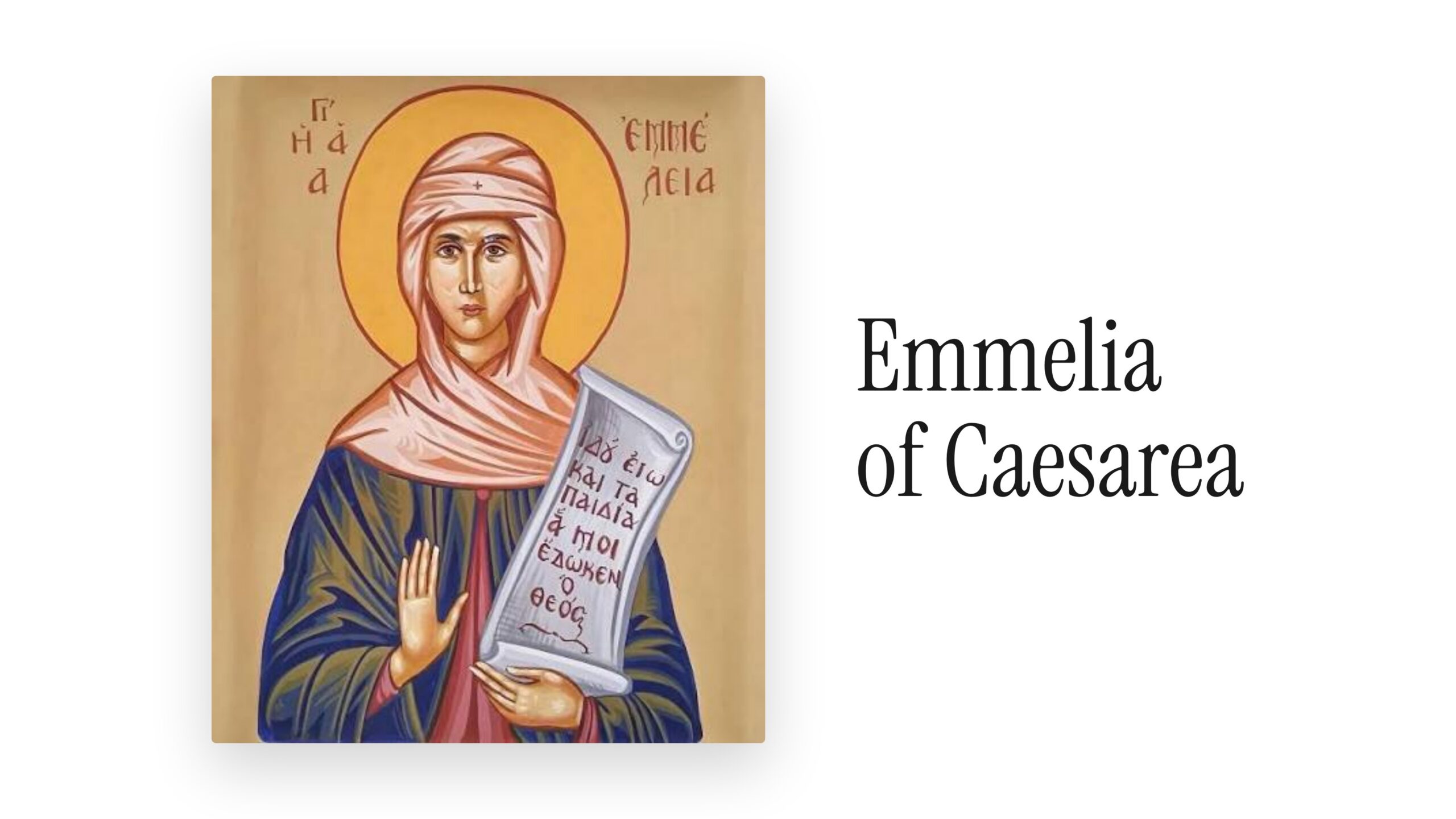
Emmelia of Caesarea never wrote a treatise or stood at a council. Her children did: Macrina, Peter of Sebaste, Naucratius, Basil the Great, Gregory of Nyssa. She is not remembered for the things she did, but for the people she raised.
You do not know what God might do through the little girl you are teaching to pray, or the son you are correcting for the hundredth time. What if your greatest contribution to this world isn't something you do but someone you raise? So bring them up. Train them. Instruct them. And when the time comes, shoot the arrow.
Form them to become like Jesus. Don't force them to behave like Jesus.
Making Peace With Your Children
For your Together Group this week. Share a meal, open the text, practice formation.
Communion
As your group gathers together, begin by sharing communion as a meal. Feel free to use the following template as a way to structure and guide this time:
1. Pass out the elements. Make sure everyone has a cup of juice and bread. Consider just having one piece of bread that everyone can take a small piece from. If you don’t have bread and juice, that’s okay. Just make sure everyone has something to eat.
2. Read 1 Corinthians 11:23-26. Once everyone has the elements, have someone read this passage out loud.
3. Pray over the bread and juice. After the reading, have the Leader or Host bless the food and pray over your time together.
4. Share a meal. Share the rest of the meal like you normally would, beginning with the communion elements.
Learn
Read Ephesians 6:1-4 together. Then read this overview:
For those with children, parenting can often become a battleground for peacemaking. We can ignore conflict, lash out in anger, or hold impossibly high expectations over our kids while they grow up. In Ephesians 6, Paul shows parents how to avoid these pitfalls. He tells them not to stir up anger in their children, but to “bring them up in the training and instruction of the Lord.” To bring them up means to nurture them so they’re prepared for the world when they leave the home. Training them means instilling discipline in them towards holiness, and to instruct them means to give them counsel, to listen, and to speak encouragement over them. Peacemaking in parenting then is more than avoiding conflict. It’s bringing peace to the household, or what the Bible describes as wholeness, flourishing, and living in the fullness of what God intended. Every parent is forming their child. The question is whether we are doing it intentionally.
- If you were there on Sunday or listened to the teaching online, what stood out to you?
- What do you think is the difference between forming a child and simply forcing a child to behave?
- If you have or have had kids, where do you tend to struggle more: under-disciplining, over-disciplining, or giving too little direction?
- What is one area where you may have expectations for your children without giving them the formation or training they need?
- If you don’t have kids, who has invested in your formation, and what did they do that helped you become who you are today?
- If you don’t have children, what might faithful spiritual formation look like in your relationships with younger people, friends, coworkers, nieces/nephews, students, or people you disciple?
- If your children are grown, how might your role in their lives shift from training toward counsel, encouragement, and relationship?
Practice
Formation takes time. We often want dramatic change in our homes, relationships, and communities, but significant change usually happens through small, intentional steps repeated over time.
Take a few minutes to imagine the kind of person, family, or community you want to become. Choose one area you’d like to grow in. Consider the following examples:
- A more hospitable home/community
- A more generous home/community
- A less reactive person
- A family that serves together
- A community that practices repentance and forgiveness
- A person who intentionally invests in the spiritual formation of others
Then, share with your Group by answering this question:
- What is one small, intentional step we could take this week toward becoming that kind of person, family, or community?
Feel free to ask other people in your group how they’ve practiced formation in their own homes/communities as well.
Growth Practice · Speak LifeThis week, if you’re able, spend some 1-1 time with your children, even if they’re grown:
- Schedule some time to spend with them. This could be a fun play day, coffee/lunch, a phone call if they’re grown, or even a simple text message of encouragement.
- Before your time together, pray and ask God to show you what he’s doing in their lives.
- During your time with them, name what you see. Talk to them about how they’ve grown, how they look like Jesus, or just speak words of encouragement over them.
If you don’t have kids, or if you’re unable to spend one-on-one time with them, consider doing this practice with someone else in your community. It could be another family member, friend, or someone in our church community.
Reflect
We don’t just grow from our practice, we grow when we reflect on our experiences. Discuss the following questions together:
- How did last week’s practice of honoring your parents go? Did you get a chance to write a letter, give them a call, or spend time with them?
- Where did you feel resonance or resistance to this practice?
Process
As we’ve spent the past few weeks learning about and practicing peacemaking, take the last few minutes to pause and process what you’ve seen God do (or not do) in and through you. This week, take some time to notice what God has been doing in others in your Group. Invite everyone to answer the following question:
- What’s one way you’ve seen God move in or through the life of someone else in this Group?
Pray
Spend the final few minutes praying for one another. Then, have someone read this benediction over your group.
“Now may the Lord of peace himself give you peace at all times and in every way.”2 Thessalonians 3:16
The conversation continues on the Formed by Jesus Podcast.
New episodes go further into the ideas behind each teaching.